Al Wahda Smart Bell and Safety Guard Project

Project Context and Problem Statement
Schools often depend on human intervention to ring the bell at entry, exit and break times, which may sometimes lead to inaccurate timing or forgotten schedules. In addition, many school buildings lack early warning systems against fire or gas leaks.
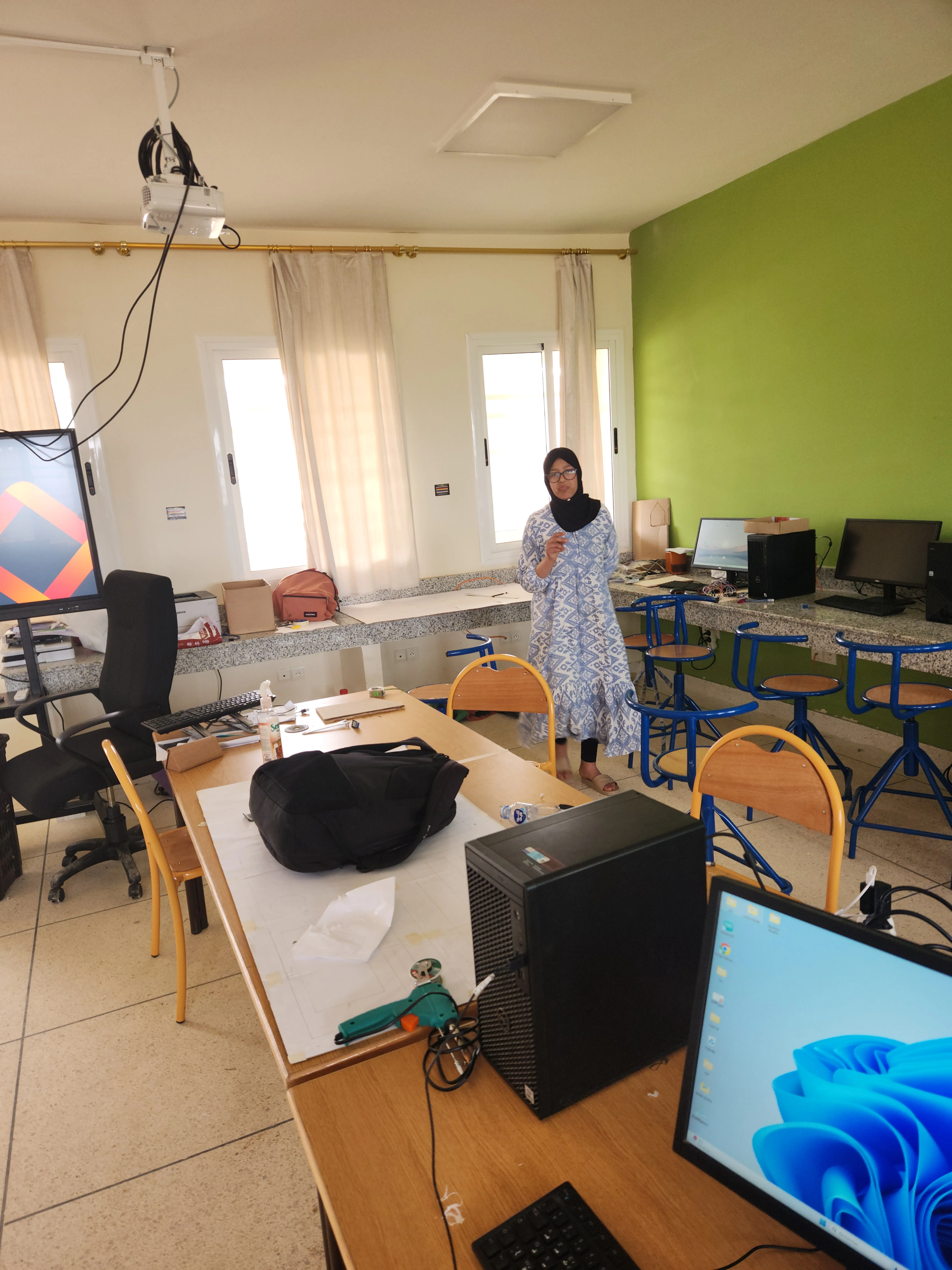
This project, actually implemented at Al Wahda Pioneer Middle School, provides a radical dual solution: full and accurate automation of school time and a preventive protection system that ensures the safety of students and staff.
Technical Components and Engineering Design
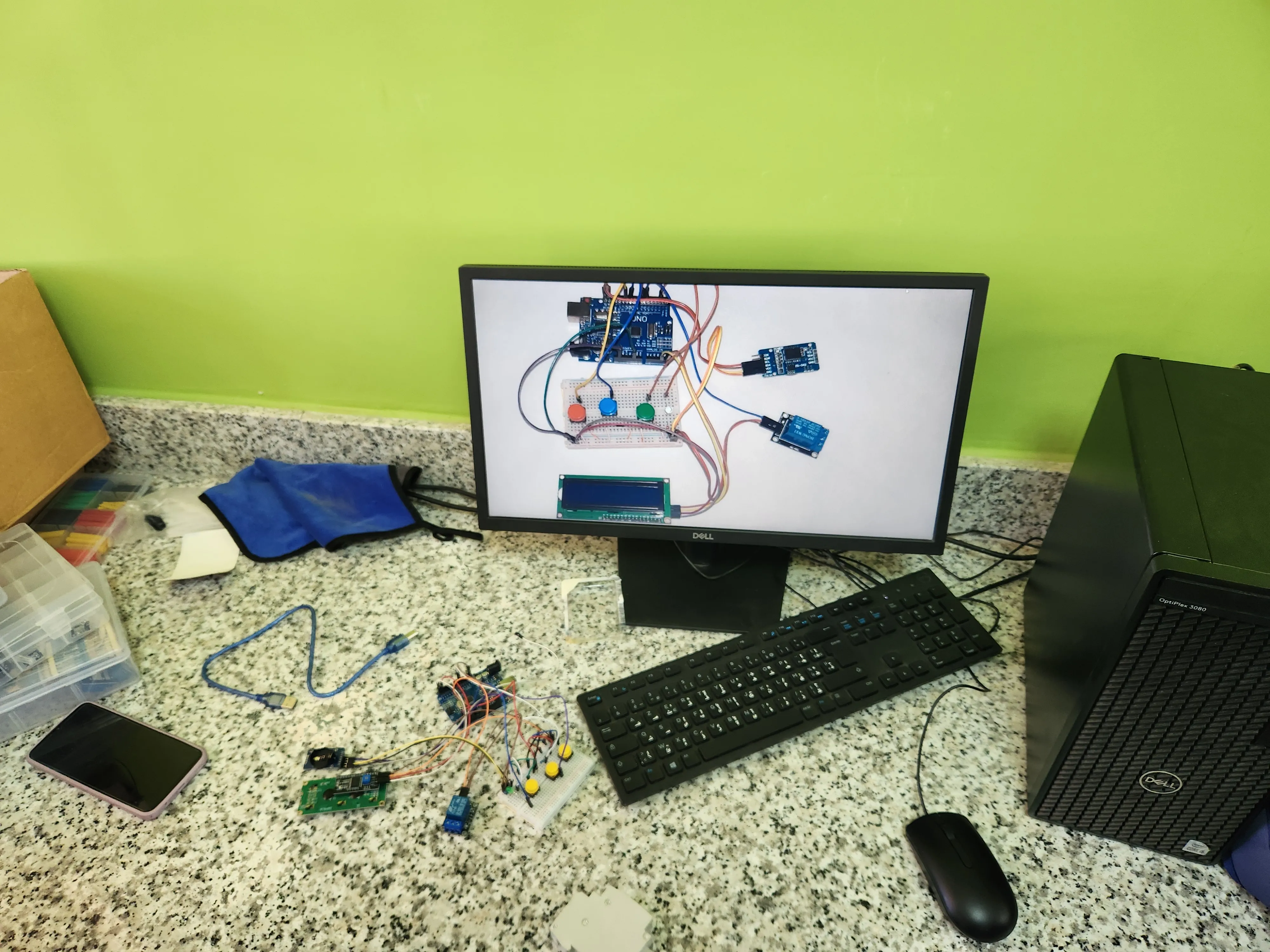
The system was designed to be stable, accurate and able to operate continuously without human intervention, using:
- Central control unit: an Arduino board that reads time and analyzes sensor data.
- Precise time system: a real-time clock module that keeps time very accurately and independently, even during power cuts.
- Power relay: a safe electronic switch allowing the Arduino to control the school bell current using very low voltage.
- Safety guard system: gas and smoke sensors operating continuously and connected to an independent alarm dedicated to emergency situations.
- Control and time adjustment buttons: programmed buttons for quick manual intervention to modify timing without fully reprogramming the system.
Implementation and Methodology
The system runs parallel and independent functions to ensure maximum efficiency and support school administration:
- Bell automation and time management: the Arduino compares the current time with the programmed timetable. When the time matches, the system activates the bell for a few seconds and then stops it automatically.
- Flexible adaptation to school time: the system includes a very practical feature allowing administration to add or subtract one hour with a single button to adapt to summer or winter time. It also includes a dedicated button for activating or deactivating Ramadan timing, removing the need for programmers at every official change.
- Emergency protocol: gas and smoke sensors continuously analyze air quality. If a leak or fire is detected, the system overrides the timetable and immediately triggers the emergency alarm to alert administration and support evacuation.
Connection to the Sustainable Development Goals
This practical achievement contributes to:
- Quality education: improving school infrastructure and ensuring precise management of learning time.
- Sustainable cities and communities: providing a safe educational environment equipped with preventive systems against risks such as fires and leaks.
Team and Task Distribution
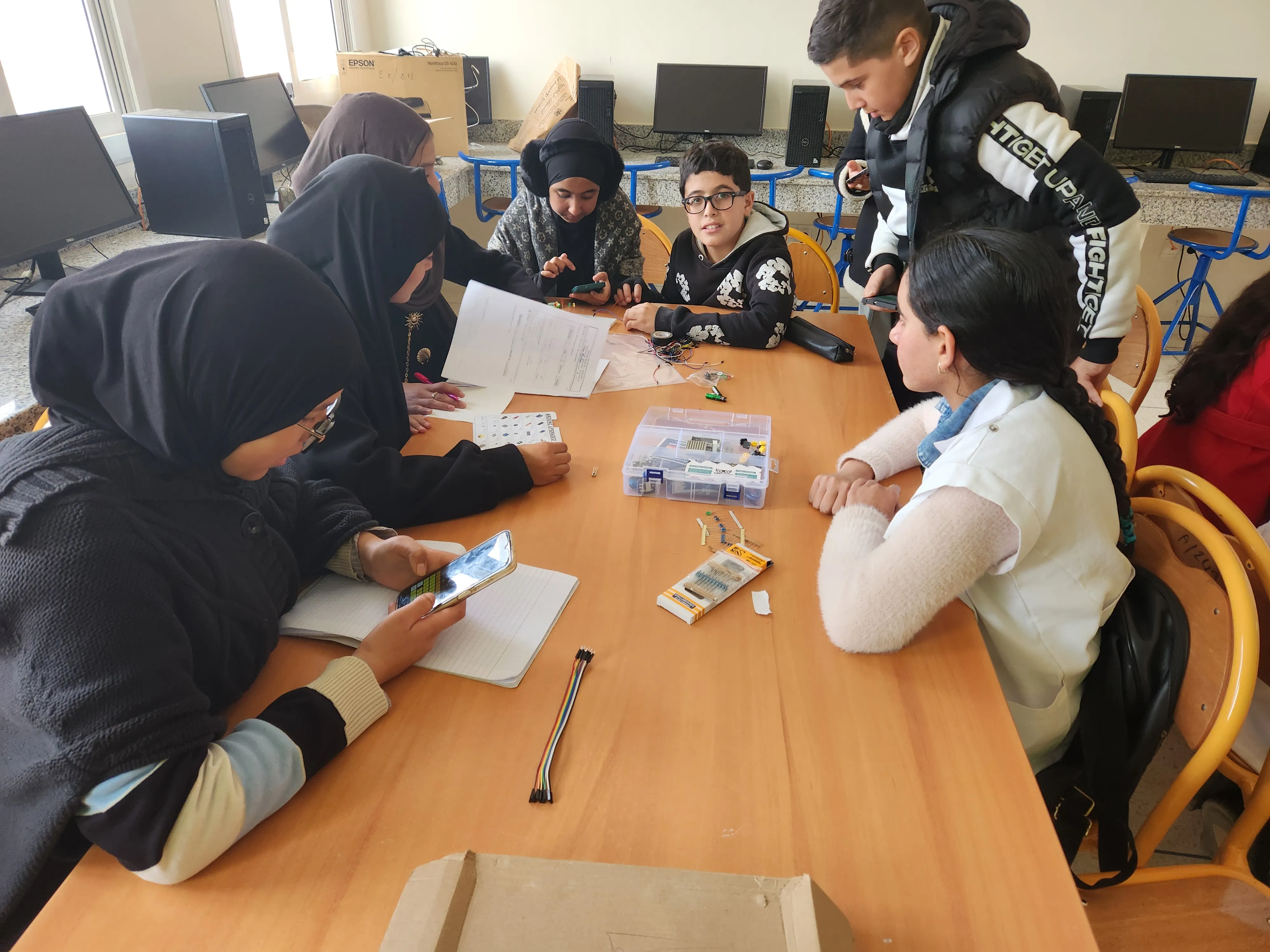
To ensure the success and real-world implementation of this project, club members combined their efforts and distributed tasks across all aspects of the system:
- Design and construction engineering: handled by Taha Lmou, who supervised the design of the external box containing the electronic components and its safe practical installation inside the school.
- Safety engineering and school protection: handled by Salma Aqjoua, who focused on integrating smoke and gas sensors and testing alarm protocols to meet safety standards.
- Time and bell engineering: handled by Adam Ahwid, who programmed the time module, wrote algorithms for regular and Ramadan schedules and electronically linked them to the relay controlling the main bell.
Young engineers involved in this project

Adam Ahwaid
Time and Bell Engineer
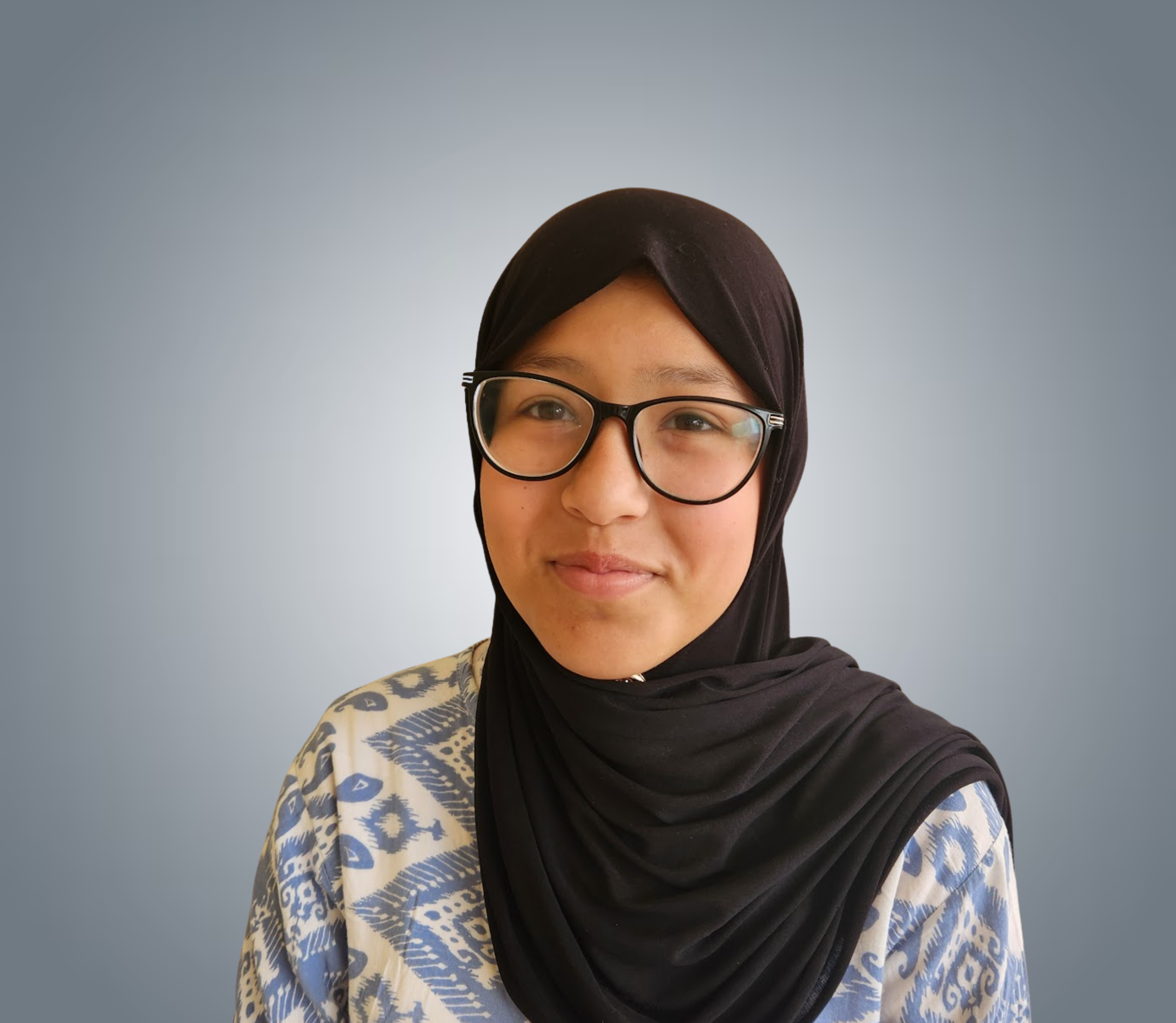
Salma Akjoua
School Construction and Safety Engineer

Taha Lmou
Design and Construction Engineer